High Maintenance
As a designer and embroidery product reviewer, I often find myself evaluating new designs with a critical eye, especially when they’re intended for real-world use. High Maintenance is one such design that caught my attention—not just for its catchy name, but for the potential it holds in various embroidery projects. Let’s dive into what this design offers and how it might fit into your creative workflow.
First Impressions: A Design That Demands Attention
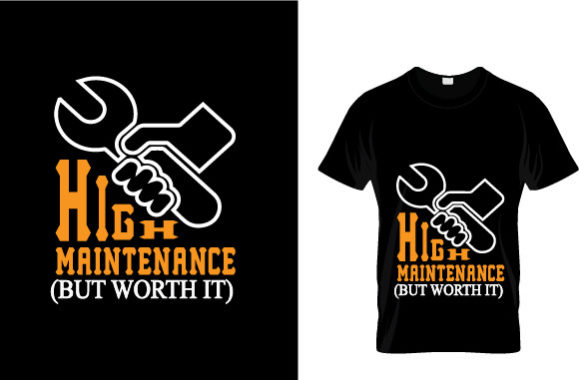
The first thing you notice about High Maintenance is its boldness. The design exudes a confident, almost rebellious vibe that’s perfect for those who want to make a statement. The layout is clean yet dynamic, with a strong visual center that draws the eye. It’s not overly complicated, but it has enough detail to feel intentional. This makes it ideal for custom apparel, tote bags, or even embroidered patches where the design needs to stand out without overwhelming the fabric.
The theme of the design—“High Maintenance But Worth It”—is both humorous and relatable. It’s the kind of message that resonates with people who appreciate a bit of wit in their handmade products or personalized gifts. Whether it’s for a boutique item or a holiday gift, the design feels like it could be used in multiple contexts without losing its charm.
Real-World Embroidery Performance
When testing High Maintenance on different materials, I found that it performs well on standard t-shirts and sweatshirts. The stitch density is balanced, which means it doesn’t look too dense or too sparse. However, I did notice that the design benefits from proper stabilizer use, especially on stretchy or thin fabrics. Without it, the stitches can pucker or lose definition, which isn’t ideal for a finished product.
One of the strengths of High Maintenance is its versatility. It works well as a machine embroidery design on items like tote bags, aprons, and baby clothes. The design’s structure allows it to adapt to curved surfaces like caps or hoods without distorting. That said, if you're working with small hoop sizes, you may need to break the design into sections to ensure all details are captured accurately.
For applique design or satin stitch applications, High Maintenance holds up well. The lines are crisp, and the fill areas don’t seem to be too heavy, which helps maintain a professional appearance. However, if you're planning to use it on dark fabric, you’ll want to pay close attention to thread color contrast to ensure visibility.
Where to Use It Carefully
While High Maintenance is a solid choice for many projects, there are some scenarios where caution is needed. For instance, if you're working with textured fabrics or very thin materials, the design might not translate as smoothly. Similarly, on stretchy fabrics, the design could lose some of its sharpness unless properly stabilized.
If you’re planning to use High Maintenance on a product that will see frequent washing, such as a kitchen towel or a baby onesie, it’s worth testing the design on a scrap piece first. Some embroidery files can fade or distort over time, so ensuring durability is key.
Another consideration is the size of the design. If you're using it for tiny lettering or intricate corners, you’ll want to double-check the file’s resolution and clarity. Small details can sometimes get lost in the stitching process, especially if the design is scaled down too much.
Impact on Visual Appeal and Customer Perception
High Maintenance has a strong visual presence that can elevate the perceived value of any handmade product or commercial embroidery project. When stitched correctly, it adds a touch of personality and professionalism that customers appreciate. Whether it’s a custom sweatshirt for a client or an Etsy listing, the design can help differentiate your work from others.
From a branding perspective, High Maintenance is versatile enough to fit into a variety of niches. It works well for craft businesses, small shop products, and even printable mockups. Its ability to convey a clear message while maintaining aesthetic appeal makes it a valuable addition to any design asset library.
For personalized gifts or holiday embroidery, the design’s tone is just right. It’s lighthearted but not too childish, making it suitable for a wide range of age groups and occasions. This makes it a good choice for wedding gifts, birthday presents, or even corporate merchandise.
Practical Designer Notes
Before finalizing any project with High Maintenance, I recommend testing the design on scrap fabric. This helps identify any potential issues with stitch density, thread color, or stabilizer use. It also gives you a better idea of how the design will look on different materials before committing to a full project.
When working with digital embroidery files, always check the format compatibility. High Maintenance comes in EPS, JPG, PNG, AI, and SVG formats, which should work across most embroidery software. However, it’s always a good idea to confirm that the file is optimized for your specific machine or software.
Lastly, make sure you understand the licensing terms before selling finished items or digital products. While the design is described as “perfect for printing on a t-shirt and other materials,” it’s best to verify the exact terms to avoid any legal issues down the line.
Final Thoughts: A Design That's Worth the Effort
High Maintenance is more than just a catchy phrase—it’s a design that can add character and value to a wide range of embroidery projects. With proper preparation and attention to detail, it can be a reliable asset for any designer, small business owner, or craft enthusiast. Whether you're creating custom apparel, personalized gifts, or commercial embroidery pieces, this design has the potential to make a lasting impression.